16 May, 2013

Mushroom Stuffed Mushrooms

There are few meals on earth as complicated as the Passover Seder meal, and here's why.
  1. It's a meal that must be fancy enough to meet the holiday occasion, and you serve it to probably a dozen to thirty people, depending on the size of your family and how popular you are. Also, depending on how good last year's was.
  2. You can't use any leavening, and you can only use meat OR dairy.
  3. You must include the ceremonial elements- charoseth, hard boiled eggs, matzo ball soup, etc. Which means that you have a limited amount of time and energy for making the food that actually constitutes the meal.
  4. In the food that you're preparing, you must try to stick to the Passover theme, which means there should be plenty of parsley, wine, and the other assorted foods that go on a seder table.
  5. You will have to prepare the whole thing in advance, if possible, because there will be one to three hours of seder to sit through before dinner is served, and you will be at the seder table. NOT cooking.
  6. You will be drunk when it is time to serve the meal. You will have been too busy cooking all day to remember to eat much, and the seder will dictate that you drink three glasses of wine. Don't even think about wearing high heels.
So, what do you do when you have to provide a bunch of hungry, drunken, celebrating people with a spectacular meal? You make these mushrooms.

The spectacular thing about these mushrooms is they can be made hours, even days, in advance. The only thing you have to do before serving them? Set them under the broiler. And then, like magic, they become hot and juicy and gooey and crunchy. Yes, all of the above.

This means they're also great for when you're not serving them at a Passover Seder. You can make them in parts- the portobellos in the morning, the stuffing in the afternoon while the kids watch TV, and then toss the rest together come dinner time and BAM! Add a salad, and dinner is made.

Two mushrooms make an entree. One is a super impressive side dish. It's pretty spectacular.

For the we had these mushrooms, a slow-cooker recipe for gigantes, a salad, and a matzo spanikopita. You know, with matzo ball soup, charoseth, horseradish, matzo, hard boiled eggs, relish dishes, eight bottles of wine, pecan torte, chocolates, candies, macaroons...

You get the idea.

So here you are: Mushroom Stuffed Mushrooms. Bon apetit!


Ingredients:
3+ tbs olive oil, separated
8 portobello mushroom caps- as big as your hand if you can get them (That's hand WITH fingers, not just your palm), stems reserved and chopped
1/3 c grated parmesan cheese
1/2 c chopped fresh parsley
1/3 c chopped fresh chives
1/4 c matzo meal (if it's not Passover, go ahead and use bread crumbs or crumbled crackers)
4 shallots, finely chopped
12 oz  cremini or baby bella mushrooms, sliced
6 oz shiitake mushrooms, sliced
1/2 c Pinot Grigio
1/2 c heavy cream
salt and white pepper

Preheat the oven to 350. Lightly grease a jelly roll pan with olive oil, and arrange the portobello caps gill side down. Bake for 30-35 minutes, then set aside to cool.

Heat 2 tbsp olive oil in a large skillet until very hot, and then add the shallots. After about four minutes, add the portobello stems. Then the shiitake. Give it another few minutes, and add the creminis. Stir vaguely for about ten minutes, and then add the wine. Continue to absently shuffle the mushrooms from one side of the pan to the other while you drink another 1/4 c of wine or so, say ten minutes. Stir in heavy cream and half the herbs, and continue to stir with minimal attention until the liquid is almost entirely evaporated. Set aside.

In a small bowl, combine the parmesan, the rest of the fresh herbs, the matzo meal/crumbs, and 1 tbs olive oil. Set aside.

When you're ready to combine and serve the mushrooms, start with a fresh baking sheet. Place the portobellos gill side UP on the new, ungreased sheet. Divide the mushroom mixture onto the portobellos. Now divide the crumbly mixture onto the mushroomy mushrooms. 

Set the broiler on high, and broil those suckers for 3 minutes, until the tops start to turn a gorgeous brown.

Serve immediately, and resume your drunken revelry.

Bummed that I didn't post this until a month after Passover? Fear not! Today is Shavuot- and traditional foods for Shavuot include... cheese! So just double the parmesan, and there you have it. And excuse to pop open another bottle of Pinot. Enjoy!

03 March, 2013

What Do I Do With This? Dry Grains Edition

Bulgar Groats
If you've ever wandered past the produce section of a Whole Foods, you've probably noticed a million canisters of dried stuff.

Lentils, bulgar, barley, split peas... what do you do with them?

I have three words for you, food adventurers: Electric. Crock. Pot.

Here's the thing about this sort of dried good. You have to cook if for a long time in hot water if you want to make it both edible and delicious. And you know what cooks things for a long time in hot water?

Oh, crock pot, how I love you.
That's right- an electric slow cooker.

Now, I have to confess- I'm in love my slow cooker. Someday, if my husband is in a tragic accident and I'm widowed, I'll probably abandon any ideas of romantic love and simply declare my eternal affection for my Hamilton Beach 3-1.

In the meantime, I'm still just playing the slow cooker field. Someday I'll be picking up a few extra appliances- a mini slow cooker is definitely in the future. But that's not what we're talking about now.

Let's get back to the initial question, What do I do with this random bag of dried grains?

If you feel like experimenting with some of these delicious dry goods, grab your crock pot, and start with a few basic steps.


Black buluga lentils
Step one: mince and saute an onion. Add some spices- depending on what you're choosing as your compliment flavor, you'll want to choose different spices.  For pairing with mushrooms, I recommend thyme or even Worschester sauce in this flavor base. Cook it all together briefly, and then put it into the slow cooker.

Step two: pick a universally complimenting flavor. When you're experimenting, I recommend going for either mushrooms or beans. A can of chick peas or 12 oz of dried shiitakes go with pretty much everything. Don't know what slow cooked barley tastes like? Don't worry- if you like what shiitakes taste like. I guarantee  you won't hate whatever they taste like WITH bulgar. At this point, you could add meat as well. Beef, chicken, chorizo, or even TVP or soy. Again, you know the flavor- let it dominate the dried grains.

Step three: add broth. Six to eight cups will do it. And now add your experimental dried goods. One cup is a fine place to start, but I don't recommend putting in more than two. Expect your dried goods to double in size while cooking.

Barley
Step four: slow cook for six to eight hours. 

Step five: add greens, lemon juice, or spicy sauce. Again, go with what you know works. If you chose a black bean compliment, go for a spicy salsa. If you chose a more mellow flavor, you could add fresh spinach or chard. With chick peas, you could add tahini or lemon juice.

Step six: Add salt/pepper to taste.


Congratulations! You've invented a slow cooker soup!

Now feel free to invent another. My personal favorites? Brown lentils with chick peas, mushrooms with barley, pearl onions with black caviar lentils.

Look at that- it's soup!
Get experimenting! And enjoy your delicious soup inventions.

02 January, 2013

Makin' with the Marinara

Once upon a time, I believed that a well stocked pantry contained at least one bottle of pasta sauce.  You know, for those emergency, make-a-quick-dinner nights.

Now, I know the truth.  Those nights still happen, but all you really need is a can of tomato paste.  Because marinara sauce?  It's embarrassingly easy to make.  In fact, it's so easy to make that all sorts of non-chef type people like to sneak hints at how awesome their marinara sauce is whenever they can.

Which is why I learned to make marinara sauce, not from a cookbook or my mother, but from movies.

The first thing you need to know about marinara sauce is the very basic ingredients.  Tomato paste, olive oil, wine, and sugar.

From there, it's a matter of taste, experimentation, and preference.

So what do I consider my most basic marinara sauce?

First, the godfather of all film marinara sauce scenes, The Godfather.  Yup, if you've never seen it, I highly recommend it.  And if you want to see a murderous, middle aged man teach you to make spaghetti sauce in less than a minute, behold (and feel free to skip to :40):


Now, being a vegetarian, I tend to omit the sausages, but I do add all sorts of other things there.  The things that make a marinara sauce special.

From Heathers, "Lots of oregano."  I use a TON of oregano.

Garlic.  Because everything is better with garlic, no?

And, thanks to a marvelous scene from a mediocre movie called Bandits starring Billy Bob Thornton and Bruce Willis (it's actually kind of hilarious), a little saffron.

I also frequently add basil during the summer, and I'll throw in rosemary pretty often too.  The thing is, depending on what else you're cooking, you can sort of borrow flavors.  Rosemary roasted vegetables? A little rosemary in the sauce brings the whole meal together.  Serving it with a nice fresh salad?  Toss in some lemon juice.  Pairing with an onion-y soup?  Onions are good in marinara sauce.  Hell, anything is good in marinara sauce.

How certain am I of that?

Let's put it this way.  Once you've done it half a dozen times, you can make marinara in the same amount of time it takes to boil the pasta.  And in one of those holy-cow-let's-all-eat-now moments, I was tossing together my batch of marinara just this week.  Without checking bottles, I grabbed garlic and wine and threw everything onto the stove.  My first taste of the marinara blew my mind.

It was, without a doubt, the best marinara I had ever made.  But why?

I kept eating by the spoonful- what was making it so delicious?  What was that extra flavor?  And as I heard my husband mention the heaps of Christmas candy adorning our living room table, it hit me.

That flavor?  It was chocolate.  I had opened a bottle of chocolate wine my parents had brought me for Channukah.

And you know what?

It was the best marinara sauce I ever tasted.

12 October, 2012

Is It Soup Yet?

An American classic
Once upon a time, I was terrified of soup.

Not of eating it, of course, but of making it.  I don't know why, but the idea of preparing something that amounted to essentially boiling tons of water and making it taste delicious was daunting.

Ah, how times have changed.

First of all, I learned the true secret of soup- do not boil tons of water.  You will ruin the soup.

Soup isn't actually water with stuff in it.  It's a bunch of stuff that you add water to.  Do you see the difference?

Briefly, this is how you construct a soup, sans meat things:

1. Simmer some delicious vegetables in oil or butter
2. Add more delicious food items, including delicious flavory things
3. Add water/broth

So it turned out, soup was easy.

Really, soup is like a very wet stir fry.  In the fall, it is a fabulous way to get improvisational and creative in the kitchen.  And everybody loves a big bowl of soup on a cool autumn evening.  Maybe even with a hunk of fresh bread to go with it.

Here are a few of tips I've uncovered for getting the. best. soups.

1. To get the best flavor out of your mushrooms, roast them in the oven for about ten minutes before you chop them up.  I never have this kind of foresight, so I recommend just taking your mushrooms and roasting them as soon as you get home from the store.  They'll store pretty well post-roast if you stick them in the freezer.

I love mushroom soup, but it always felt like I had to add a million mushrooms to get a strong enough flavor.  But roasted mushrooms?  Perfection.

Mushrooms aren't the only vegetable that this is the case for.  Asparagus, tomatoes, lima beans, and peppers can also benefit from a brief roasting.

2. Seaweed is your soup's best friend.  Sound crazy?  I thought so too, when my mom taught me this one.

One thing that meat eaters frequently complain about when it comes to vegetarian soups is that they don't taste hearty enough- that there's something about a meat-free soup that isn't satisfying.  The reason for that is a type of taste that the Japanese call "umami."  It's that meaty flavor- that fill-up-your-whole-mouth flavor.  It's not sweet, it's not sour, it's not savory... it's umami.  And you can count on a culture that can name the mouth-feel of a kind of flavor to come up with ways to sate the need.

I recommend keeping a package of sushi nori seaweed in your pantry.  First of all, sushi can be a fun, quick, and diverse meal- so long as you've got that seaweed to hold it all together.  But secondly, that seaweed?  It's delicious.  And it's umami.  If your soup seems a little lacking, you can just throw a whole sheet in, and essentially let it dissolve.  And your soup will become instantly more umami.

3. Learn your starches.  Potatoes and rice and noodles are all excellent in soups, but not all potatoes, rice, or noodles are the same.  Take the time to think about how much time you have to make your soup, what the overall texture of your soup should be, and how thick you want your broth.  A waxier potato, like a Yukon Gold, will make your soup creamier than something like a russet.  Large rotini noodles might soak up a lot of your broth and turn your soup into a hearty stew (though there's nothing wrong with that!), rice that is overcooked can become mushy.

I've found that the best rice for soups is wild rice, because it's thicker husk maintains the flavor and consistency best when left in a pot of liquid for long periods of time.

4. Go totally overboard on your seasonings.  You know what you do if your soup is too strong?  You add water.  And then suddenly, you have more soup.  And what do you do with extra soup?  Stick it in the freezer.  Soup freezes really, really well, and it's as simple as dumping your soup-cube into a pot to turn it back into soup.

5. Broth powder.  So you've made a delicious sort of a stir fry in your pot, and you've added water, and the flavor is just... a little lacking?  Broth powder.  I'm a big fan of Osem, which makes an excellent vegetarian broth powder, but you can get any variety that you like.  You don't need to use nearly as much as you have liquid- you've half made your broth with the seasonings you've put in and with your vegetables- but some broth powder (to taste) can really finish the job well.

Oh, how I want one of these pretty blenders!
6. Get thee an immersion blender.  It's also called a stick blender.  It's a tiny blender, on a stick, that you immerse in your soup.  That way, you can turn a broth-and-solids soup into a creamed soup without having to transfer scalding liquid into your blender caraffe- which sucks.  Some vegetables that turn unbelievably creamy and delicious are chick peas and cauliflower.


Don't be afraid, like I was.  Soups aren't scary.  And best of all, they are flexible and forgiving.  Too salty?  Add a halved potato- that'll absorb it.  Then you can remove the potato and toss it/save it for some awesome mashed potatoes.  Too bland?  Broth mix!  Too flavorful?  More water!  Too thick?  More water!  Not quite savory enough?  Seaweed!

Ah, fall.

Soup's on.  :)

30 September, 2012

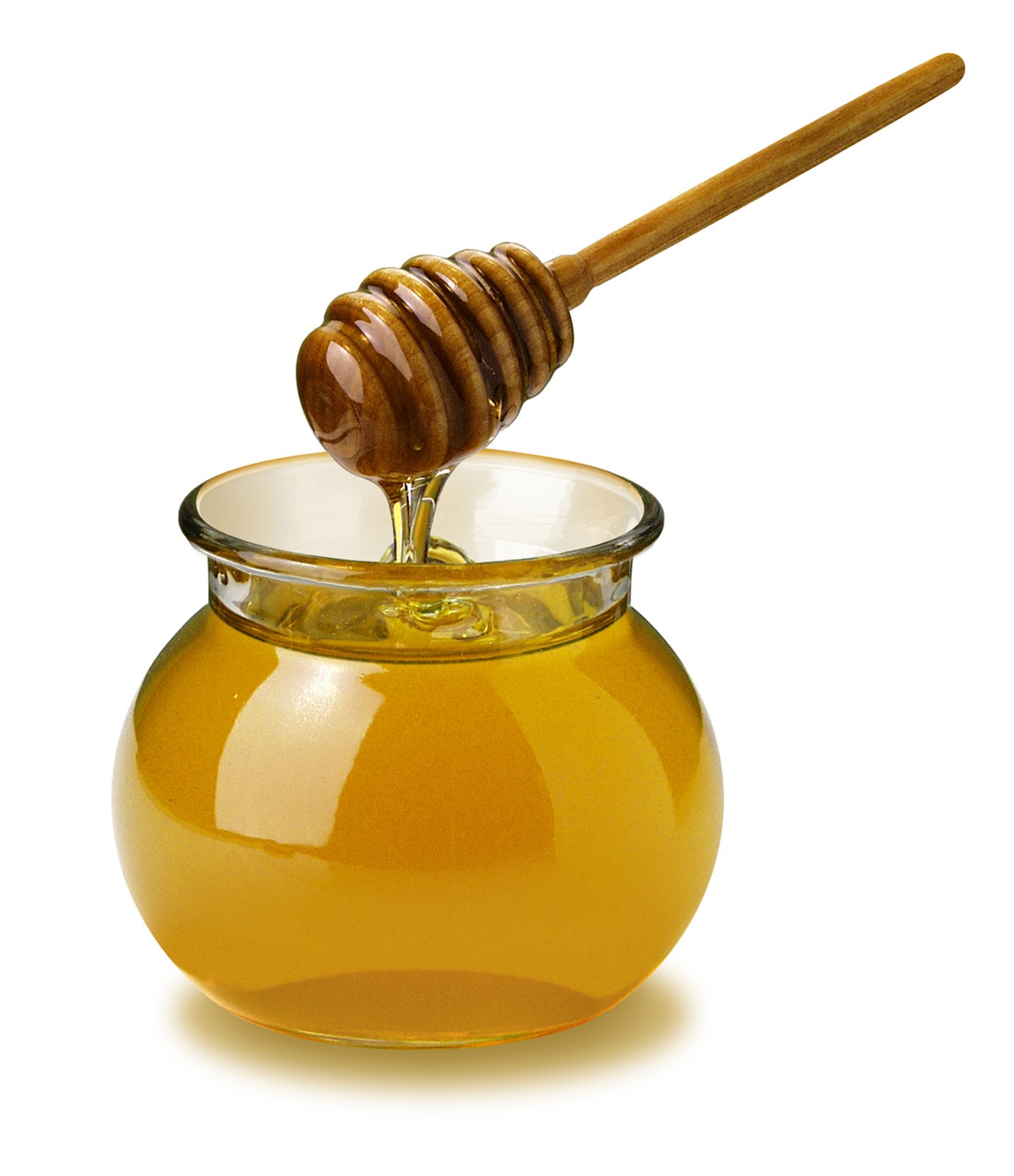
Aww, Honey Honey

Pooh Bear was onto something.
Let's talk honey.

It's been in the news a bit recently.  Turns out that a lot of the stuff on America's grocery shelves isn't *really* honey.

It's been so thoroughly over processed that all of the actual honey has been removed.  And you know what you lose, when you turn honey into not-honey?

Everything that makes honey awesome.

You see, honey is fascinating stuff.  It's got so much more than being a "natural" sweetening agent going for it.  Honey tastes like whatever plant the bees collected the pollen from, and contains those allergens so it can actually help you with your allergies.

Amazing, no?

Most of the honey going around in America is clover honey.  That is, the pollen that the bees collect is predominantly from clover plants.  And that's... fine.  But oh, honey, there is so much more to you than that.

Honey was used by ancient Egyptians as an embalming fluid.  Honey kills bacteria.  Honey is pretty much more awesome every time you learn something new about it.  And no, honey is not bee poop.

I've always loved honey.  As a kid, my favorite sandwich was white bread, smothered in honey, with another slice of white bread on top.  My mom thought I was nuts.  I knew better- honey rocks my socks.

Manuka honey
When I was on my honeymoon (so aptly named) in New Zealand, I fell in love with Manuka honey.  Manuka is the New Zealand tea tree.  The honey had flavor, the closest American comparison I could come up with was buckwheat honey.  But unlike buckwheat, Manuka has less bitterness.  It's truly amazing stuff.  But it's a fortune in the United States- with good reason!  Transporting honey is tricky.  You don't want it to get too cold, or too hot.

And again, if you're eating honey that comes from the other side of the planet, you're boosting your immunity to the allergens on the other side of the planet.  Sort of counter intuitive, no?

For that reason, the best honey in the world is always local honey.  The closer to where you live, the better for you it is.  That's because the plants that go into the honey are the same plants giving you hay fever.  It's pretty cool.

So what kinds of honey are there?  Let me share a few of my favorites.

Buckwheat honey
Buckwheat is number one on my list of American honeys.  You would never confuse it with clover honey in a million years.  It's a deep, amber brown.  And it's taste is rich and full- a whole mouth kind of a flavor.  I love eating it with something already sweet- like apples or bananas.

Of course, most southerners who know their honey would consider it blasphemy to say that any honey other than Tupelo honey reigned supreme in the USA.  And they're onto something.  Tupelo honey is so smooth.  It's color is very similar to clover honey, but it is much sweeter.  If it's hard to believe that something is sweeter than honey, then you can rest easy that the sweeter substance is still... honey.  Aside from its sweetness and amazing texture, another thing that Tupelo honey has going for it is that it tastes good with absolutely everything.  Seriously, you could glaze garlic in the stuff and have the yummiest garlic of your life.

Tupelo has a remarkable amount in common with Manuka.  It's a tree, for starters.  That means that if tree pollen is a bigger problem for you than grass or hay, Tupelo honey might be beneficial for you.  Kiwis and Elvis fans can agree on one thing- those fragrant trees?  They make amazing honey.

Speaking of fragrant things making good honey.... orange blossoms.  OMFG orange blossom honey.  Remember when I said that honey tastes like the plant it comes from?  Well, orange blossom honey tastes just like that.  Orange blossoms.  That makes it an excellent accompaniment to things like cornbread, and fruity teas.  It also completely widens the range of its use as an ingredient in other foods.  For example, I have a bean soup that calls for orange peel.  But instead, I can use orange blossom honey, add a little cayenne, and BOOM!  I've got a sweet and spicy bean soup that still tastes amazing. Heat really brings out the fruity, orange notes in orange blossom honey.

Amazing stuff.

One of my favorite places to get
honey in the midwest-
ebeehoney.com
My last favorite honey is goldenrod.  Now, goldenrod honey is kind of hard to get your hands on.  That's because, typically, the goldenrod honey season is SHORT.  And unfortunately, goldenrod honey doesn't keep well- it granulates really quickly.  (Keep in mind, granulated honey is still delicious and nutritious, it's just... harder to use.)  However, it's a very light honey with a kick to it like buckwheat- and the best part of goldenrod honey?  Goldenrod is a serious allergy problem.  So keeping some goldenrod honey in your diet come summer is a great idea.  Bonus?  There's a lot of mead makers out there who would argue that goldenrod honey makes the *best* mead.  So if you're considering brewing at home... I'd recommend goldenrod.

One other honey recommendation: whipped honey.  Basically, that granulation problem I mentioned briefly?  You do that on purpose, in a climate controlled environment.  The result is something frequently referred to as "honey butter."  It's creamy and spreadable, with a waxier texture.

Whipped honey
As you might imagine, any variety of honey can be turned into whipped honey.  But there's another perk as well.  In whipped honey, other flavoring agents keep better.  So you might be able to find things like chocolate or vanilla honey (vanilla whipped honey in a cup of rose tea anyone?) at a local organic friendly store.  It's much less drippy that regular honey, which makes it ideal for dipping things into it.

So go out there, find your local bee keepers (there are more of them than you might think!) and make yourself some toast, tea, and even ice cream to put that honey on.  Because honey in amazing.

15 June, 2010

A Word on Dried Spices

My husband is from Minnesota, and he tells a joke about Minnesotan cooking.  He jokes that a REALLY exciting recipe in Minnesota uses both salt AND pepper.  Unfortunately, salt and pepper are the spices that most Americans, not just the friendly folk in the North Star State, know how to use on a regular basis.  And even then, only black pepper and so-called "table salt."

With the right spices, you can live forever on a limited diet.  Having a good spice rack is essential to cooking.  You don't need to start collecting every flavor in the spice world, but there are a small collection of spices that you probably don't realize are in just about every delicious food you love.

There are more spices than those listed below that you should consider keeping around, but they are certainly better fresh.  Stay tuned for a word of Fresh Spices!

Staple Dried Spices 
Frontier Oregano Leaf, Mediterranean, C/s, Fancy Grade, 16 Ounce Bags (Pack of 2)Oregano: This is one of those New World spices that changed European cooking forever.  Most people think of oregano as an Italian spice, but it is just as constant in Latin American cuisines.  It's a primary ingredient in chili blends, as is...

Frontier Natural Products, Whole Cumin Seed, 16 Ounce Bags (Pack of 2)
Cumin: Cumin comes from Middle East and northern Africa, and is one of the few spices that was brought to the New World and altered native cuisine here.  Cumin has a rich and warm flavor, and is used in an amazing variety of dishes.  I recommend having at least ground cumin, but you'd be surprised how often you'll use the whole seed variety as well.


Frontier Celery Seed Whole, 16 Ounce Bags (Pack of 3)Celery Seed: Much like fresh celery, you'll be amazed at how many dishes can be improved with the simple application of a little celery seed.  Celery Salt can also be very useful, as you add more flavor when you use it instead of regular table salt.  Any vegetable heavy dish can be made to taste somewhat heartier with a little celery seed.


Garlic Powder: You can use it in all sorts of situations where you could use fresh garlic, but it has additional flexibility.  I like using toasted garlic powder, you get a richer flavor as the garlic is already cooked when it's dried.  This makes it much better for adding to, say, a grilled cheese sandwich.

Frontier Fenugreek Seed Whole, 16 Ounce Bags (Pack of 3)

 Fenugreek Seeds: You can get both the leaves and the seeds of this spice, and both have an excellent flavor, but the seeds are definitely the bolder taste.  Fenugreek is the flavor that makes curry taste like curry, so if you like Indian food, Fenugreek is a must have.


Frontier Thyme Leaf Certified Organic, 16 Ounce BagThyme:  This spice is one of the few that is pretty much as good dried as it is fresh.  What you may not know is that there are two major varieties of Thyme, French and Mediterranean.  French Thyme is the more common, but when you go out to get your spices, consider the Mediterranean Thyme.  It has a slightly spicier flavor, so if you substitute Mediterranean for French, you create a more unique flavor that stays just as familiar and delicious.

13 June, 2010

Curry Week!

Frontier Cardamom Pods, Green, Whole, Extract Fancy Grade, 16 Ounce BagIt's finally here, curry week!

Curry is an interesting subject.  After all, it describes such a wide variety of dishes.  There are yellow, red, and green curries.  There are sweet curries and spicy curries.  The variety of countries boasting an array of delicious curries is staggering.

Fenugreek Leaves - 1.5 Oz Jar EachWars, oh so many wars, have been fought over the spices that go into curry.  History has turned on the whims of those who love curry.  Curry is the culmination of the combined spice, and in the words of Frank Herbert, "He who controls it, controls our destiny."
Frontier Cinnamon Sticks 2 3/4", 16 Ounce Bags (Pack of 2)
This week, we will be making a variety of curries.  This, like every week's meal, has everything you need for a balanced diet.  Lean protein, green and orange vegetables, fruit, whole grains, and just a dash of dairy.  The bonus is, of course, that it even includes dessert and really, curry is EASY!

El Guapo Ginger Whole - Mexican Spice, 1.25 Oz (Pack of 12)Curry is one of the simplest things you can throw together.  Got a few ingredients and don't know what to do with them?  Curry!  Want to impress you in-laws or your sister?  Curry!

Frontier Natural Products, Whole Cumin Seed, 16 Ounce Bags (Pack of 2)Unlike most dishes, curry's success depends much less upon the quality of your fruits and vegetables and much more on the quality of your spices.  Curries developed in parts of the world where the weather is hot and wet, which meant that food tended to spoil faster.  However, those glorious spices could disguise the taste of even the most withered yam, and as a result we have the amazing, the spectacular, the splendiferous curries we enjoy today.  There are curry leaves, and they are in many curries, but the flavor that really makes curry taste like CURRY is fenugreek.  Why don't we call it a fenugreek instead of a curry?  I have no idea.  But however the confusion came about, thank goodness for the Indian subcontinent!  Thank goodness for the Carribean!  Thank goodness for Thailand!  THANK GOODNESS FOR CURRY!

Fresh Curry Leaves - Fresh South Indian and Sri Lankan Herb - Citrus AromaThis Week's Menu:
 Saffron Rice
Daal
Sweet Potato Carrot Curry
Not / Chicken Massaman Curry
Vanilla Raita
Sweet Lassi

 The Grocery List:

  • 1/2 lb red lentils
  • 5 carrots
  • 1 sweet potato
  • 1 lb boneless chicken OR 12 oz chicken substitute (I like Veet for this recipe!)
  • 1 quart vanilla yogurt
  • 1 cucumber
  • 1 lemon
  • 1 can thick coconut milk
  • 1 can black eyed peas
  • 1 small fresh ginger root
  • 1 green bell pepper
  • 4 shallots

12 June, 2010

Chocolate Covered Frozen Bananas

I freakin' love bananas.  Seriously, there are SO many reasons to adore this particular fruit.  There's its absurd shape, it's lovely hue, it's amazing history...  The story of the banana is fraught with drama and comedy.  Alas, who now even remembers the Cavendish?  I adore the banana.  For years all of my internet aliases were bananas.  Crazy?  Perhaps.  Delicious?  Always.

Then there's chocolate.  Oh, chocolate.  Food of the Gods.  Seriously, the Incan holy beverage was made from cocoa beans.  And again, another food with a rich and wild history.

So much drama in this dessert!  So much to enjoy!  And of course, so delicious.  And deliciously simple.

  • 4-5 ripe banans
  • 3 oz. semi-sweet chocolate chips
  • 1/4 c powdered sugar
  • bamboo skewers , with the sharp points cut off
In a double boiler,  melt the chocolate.  Stir in the sugar, and transfer into a low sided baking dish.

Poke the skewers through the bananas length-wise.

Roll the bananas in the chocolate, and then place on wax paper and IMMEDIATELY transfer to the freezer.  Leave in freezer for at least an hour.

04 June, 2010

Almond Gouda Salad with Lemon Poppy Vinaigrette

My husband, the meat-and-potatoes guy, lived on a very limited diet before we started dating.  He had a bowl of mini-wheats for breakfast, a turkey sandwich and an apple or a few carrots for lunch, and can of soup for dinner.  He was not exactly a fan of the amazing concoction that is SALAD.  I'm happy to say we've managed to change a lot of his eating habits, perhaps the most dramatic of which is his love of a good salad.  Some seem to think that a salad is nothing more than lettuce and dressing with a few croutons dropped on top.  I say, let your freak salad flag fly!  Why not load up your salad with every delicious thing you can?  And for that matter, your salad dressing too!

This is a recipe that I came up with when confronted with a nearly empty bag of almonds and a small piece of aged Gouda in my cheese drawer.

Almond Gouda Salad
  • 1 head red leaf lettuce
  • 2 oz aged Gouda, cut into 1/2" pieces
  • 1 small yellow bell pepper, cut into 1/2" pieces
  • 1/2 c almonds
  • 1 tomato, cut into thin wedges
  • 1 c mushrooms, cleaned and sliced
Place your almonds on a tray in your toaster oven and toast for about two minutes.  Chop them roughly.

Rinse your lettuce thoroughly, and shred it into a bowl.  The goal with your lettuce should be that you can easily fit the pieces into your mouth.  I recommend shredding over chopping because torn edges take longer to wilt and brown, meaning that you'll have better leftovers.

Add all your other ingredients into the salad, and dress with...

Lemon Poppy Vinaigrette
  • 1/4 c extra virgin olive oil
  • 1/2 c balsamic vinegar
  • 1 tsp poppy seeds
  • 1.5 Tbs lemon curd
  • 1/4 tsp salt
Mix the poppy seeds into the vinegar, and allow to sit for about five minutes.

Add the rest of the ingredients, and whisk thoroughly.

02 June, 2010

How to Prepare a Leek

Organic Scotland Leek - 340 Seeds - HeirloomLeeks are delicious.  And yet, most of my cooking friends fear them.  Why?  "They're hard to clean," say my friends.  Phooey, say I!  "You can only eat part of them so it's a waste," say my friends.  Bah humbug!  The leek is a delicious plant, and you can eat nearly the whole thing.  Silly friends- eat your leeks!

How to Prepare a Leek
Slice off the root covered end.  You only need slice off as much as a quarter inch of leek.

Slice the leek into rounds, you can use both the white and a great deal of the green leafy parts.  You will note that there is a lot of dirt and grime in between the leaves- don't worry about that just yet.

Stop slicing when the dark green tops of the leaves begin to seem tough or dry.  Unless a recipe specifically says otherwise, you can use the greens in your dishes.

Leeks - 25 Plants - Allium porrum - Herb/VeggieNow the secret- fill a large bowl or a CLEAN sink with cold water.  Dump all your sliced leeks into the water, and swish them around for a minute or two.  Break apart the rings of the leeks gently as you swirl the leeks through the water.  Then let the leeks sit for another minute, and remove leeks from the water by the handful, shaking out the extra water.  The water that remains should be cloudy and slightly green.

Congratulations!  You have prepared your leeks!

Turnip Hash

You think it sounds awful, don't you?  And yet, it tastes amazing.  You see, back before we Americans decided that the potato was our go-to starch, turnips were much more popular.  French and Russian immigrants in particular were VERY fond of the hardy root.  When undercooked, they're mustardy and spicy.  However, a thorough cooking yields a vegetable with the same sort of texture as a new potato, a mild and fresh flavor, and a buttery finish that makes for a few perfect ingredient pairings.

One of those perfect pairings is the leek.  Leeks are a part of the onion family, they have a milder flavor than most onions, and they become creamy when cooked.  Leeks are notorious for being difficult to clean, but with a simple method one can clean them easily and quickly.  Leeks are one of those vegetables that people seem to consider super fancy, but they're a common garden vegetable that grow all over the United States, and are an excellent addition to any diet.


Organic Purple Top White Globe Turnip - 350 SeedsTurnip Hash
  • 4-5 turnips, chopped to 1" or smaller pieces
  • 1 leek, sliced and cleaned
  • 3 c sliced white mushrooms
  • 2 Tbs honey
  • 1 Tbs dried French Thyme or two large sprigs fresh
  • 3/4 tsp Coarse ground black pepper
  • 1/4 tsp Pink Hawaiian sea salt*
  • 1/4 c extra virgin olive oil
In a wok, heat the oil over med. high.  Add the turnips and cook for 5 minutes or so, and add the honey. Make sure you completely coat the turnips in the honey.  This is important, as the extra caramelization from the honey will eliminate a great deal of the turnips' extra spice.  Continue to stir regularly as you cook the turnips for another 8-10 minutes, or until the turnips are slightly brown.
Add the leeks, salt, and pepper, and continue to stir regularly for another 5 minutes, until the leeks are thoroughly wilty.
Add the thyme and mushrooms, and continue to cook for 5 minutes or until the mushrooms are thoroughly integrated.

Enjoy hot, paired with crusty bread or a croutette.

26 May, 2010

Cabbage Soup and Sourdough Parmesan Croutettes

Cabbage soup gets a bad rep.  Most people I talk to about cabbage soup only seem to think of nightmare scenarios where the only organism to survive on the tundra is a cabbage.  "Isn't that what my great-grandma made during the Great Depression?"  Well, yeah, because it's cheap.  but that doesn't change the fact that it's also delicious.

My husband is a picky eater.  He's very much a meat and potatoes kind of guy, who's been patiently learning and only occasionally complaining during our courtship and marriage.  And he LOVES this soup.

    Flat Dutch Lake Cabbage 300 Seeds-GARDEN FRESH PACK
  • 1 small green cabbage, chopped into bite sized chunks
  • 1 large pantry onion, also coarsely chopped
  • 3 Tbs butter
  • 2 Tbs minced garlic (3 if preserved)
  • LOTS of fresh ground black pepper
  • 1 Tbs Spike
  • 1/2 tsp salt
  • 4-8 c water, divided
Melt the butter in a soup pot over med high.
Add the onions and cook until just translucent.  Then add the garlic, spike, salt, and ground black pepper and cook another two minutes.
Add the cabbage, and continue to cook for 5 minutes.
Add water until the vegetables are just covered.  Simmer for ten minutes.
Add another cup of water, and continue to simmer for another ten minutes.
Continue adding water every ten minutes or so until your pot is essentially full.

Salt to taste. 

Sourdough Parmesan Croutettes:
  • 1 loaf of day old sourdough bread
  • 3 Tbs butter
  • 1 c grated parmesan cheese
Preheat your broiler to high.
Halve your sourdough, and then slice it into pieces roughly 2.5 inches wide.
Butter one side of each piece generously, then sprinkle sourdough on top.
Place the croutettes on an ungreased baking sheet, and put them under the broiler for 3 or for minutes, until the top is very brown.

Serve hot with cabbage soup!


25 May, 2010

Nuts

A word on nuts-
They last for ages if kept in an airtight container, they're good for snacking and they're excellent additions to your meals, and they're even good for you.

If you have the space and you cook often, I recommend making nuts a staple in your pantry.

The most important four in my home are almonds, pecans, walnuts and peanuts.  But if you have other favorite nuts, it's nice to have them on hand.  Feeling a bit hungry before you start cooking?  A handful of delicious nuts is a good way to curb your hunger while you make dinner proper, without pigging out on chips or candy.

An old pasta sauce jar is an ideal place to store your nuts.  Class containers like those jars are airtight, and eliminate more moisture than plastic.


Other excellent nuts and seeds:
Sunflower seeds
Macadamias
Cashews
Pepitos
Pistachios- in OR out of the shell, but always undyed!